Kota Stone
Grey / Blue Kota Stone
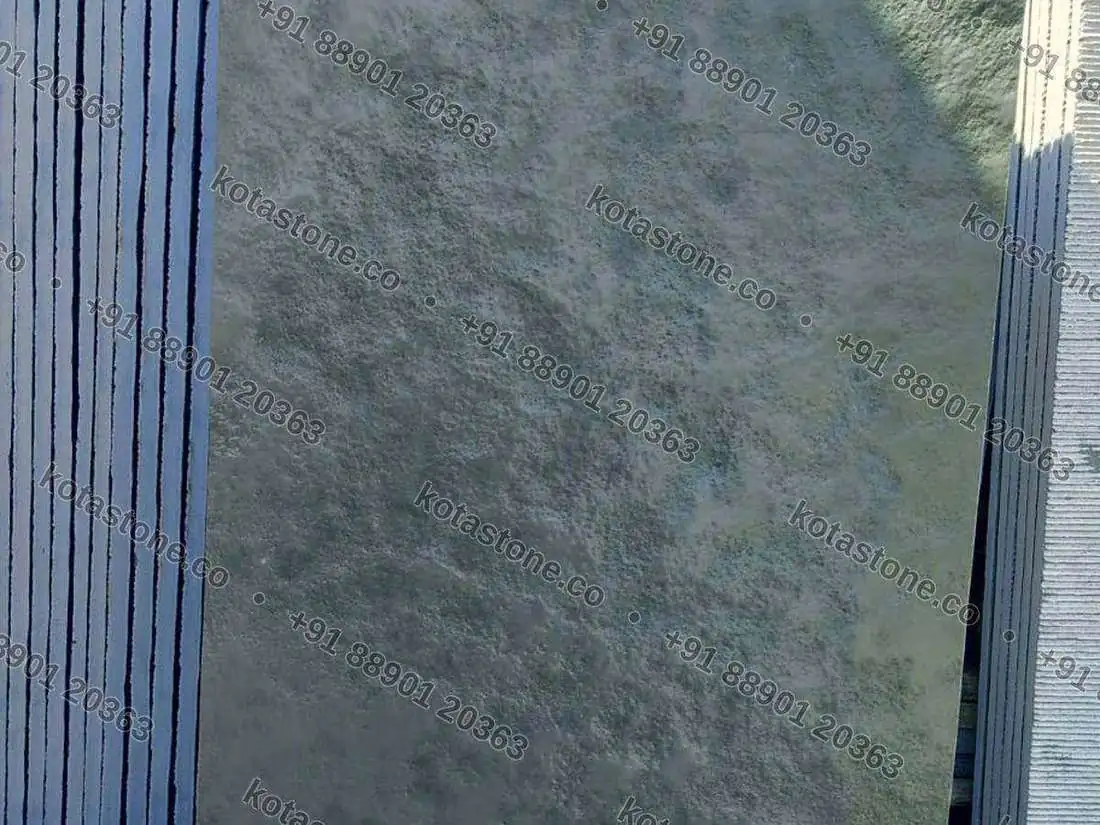
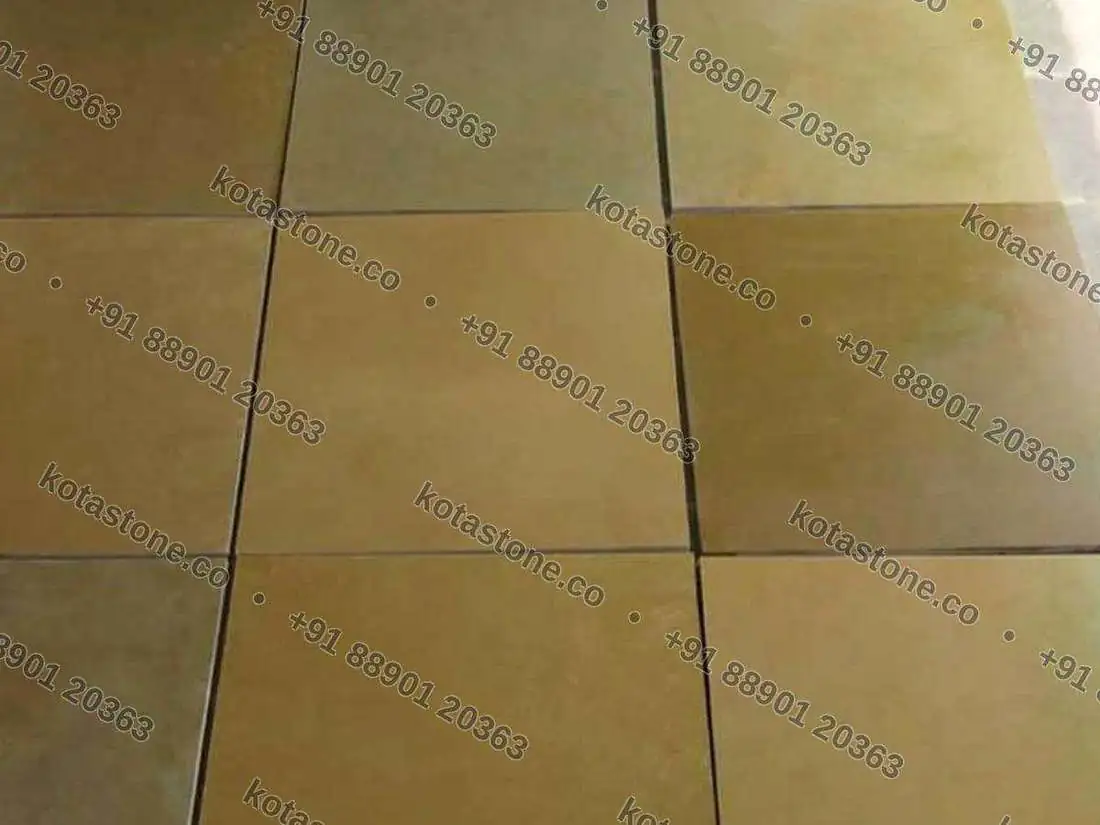
Grey Kota — sold in the trade as blue Kota, the same stone under a different name. A cool blue-grey limestone with a fine, even grain, it takes every finish we run and holds up under heavy foot traffic for decades.
The classic blue-grey limestone
About Grey / Blue Kota Stone
Grey Kota and blue Kota are the same stone. Buyers in different markets ask for it by different names — blue in much of north India, grey in the export and specification trade — and the merchant who tells you they are two different materials is selling you the same thing twice. What varies is the bed and the sorting, not the species: tell us whether you want the bluer or the greyer end and we will sort to it.
It comes out of the Ramganjmandi belt in tight, naturally layered beds, which is why it splits so cleanly and calibrates without waste. The colour sits between slate blue and dove grey, and it deepens noticeably when wet — one reason it is a standard choice for bathroom and courtyard floors where a little tonal shift reads as character rather than a defect.
It is the workhorse grade. Corridors, staircases, warehouse floors, temple courtyards, station platforms: if a floor has to take twenty years of hard use and still be worth polishing back, grey Kota is usually the specification. It also happens to be the most economical of the three colours, because the beds are the thickest and the yield is the highest.
Available finishes
At a glance
Where it works
Typical applications
- Interior flooring
- Corridors and staircases
- Courtyards and verandas
- Warehouse and industrial floors
- Wall cladding
- Parking and driveways
Technical
Properties
Sizes
Formats and thickness
| Size (metric) | Size (imperial) | Thickness | Typical use |
|---|---|---|---|
| 610 × 610 mm | 2′ × 2′ | 20, 25, 30, 40 mm | General flooring, courtyards |
| 610 × 305 mm | 2′ × 1′ | 20, 25, 30 mm | Corridors, treads, borders |
| 305 × 305 mm | 1′ × 1′ | 18, 20, 25 mm | Bathrooms, small areas, cladding |
| 914 × 610 mm | 3′ × 2′ | 25, 30, 40 mm | Large-format interior floors |
| 1220 × 610 mm | 4′ × 2′ | 30, 40, 50 mm | Lobbies, plazas, feature floors |
| Random slabs | Bed-run lengths | 25 – 60 mm | Paving, cladding, cut-to-size stock |
| Cut to size | Any module on drawing | 15 – 60 mm | Treads, risers, sills, copings, counters |
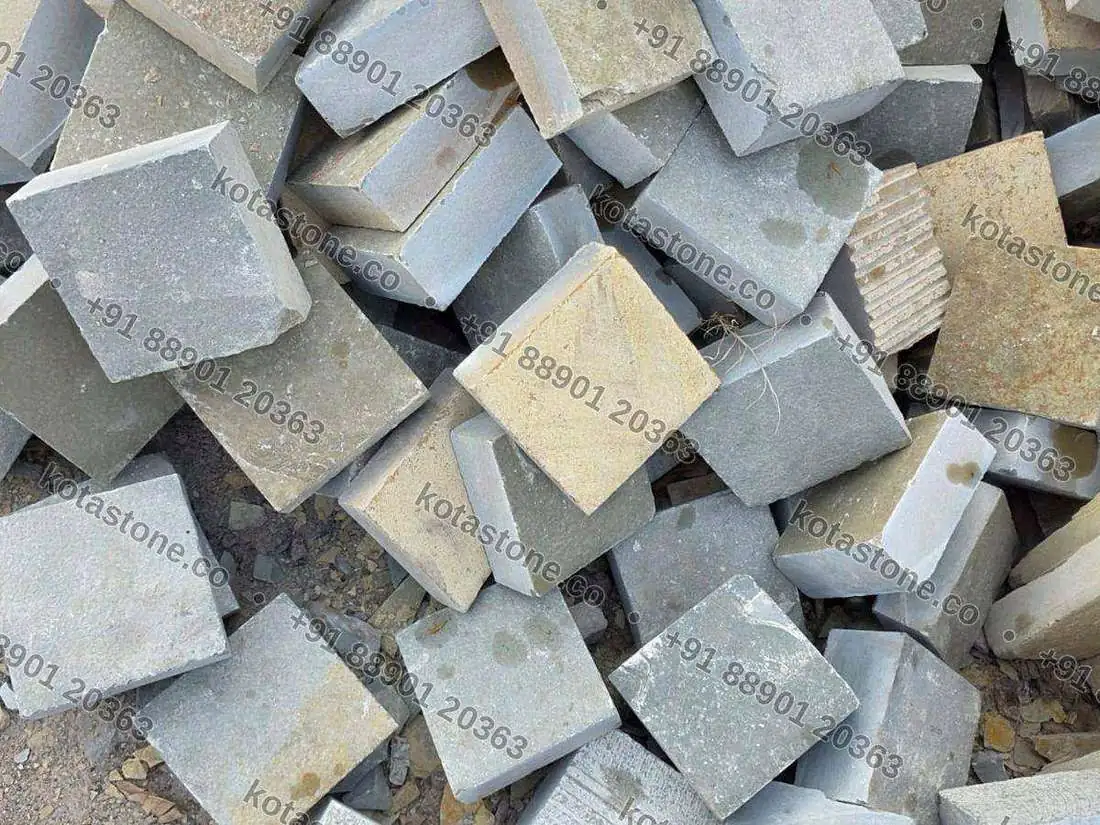
| Cobbles & setts | 100×100, 100×200 mm | 40 – 60 mm | Driveways, paths, ramps |
In stock
Four surfaces, one stone.
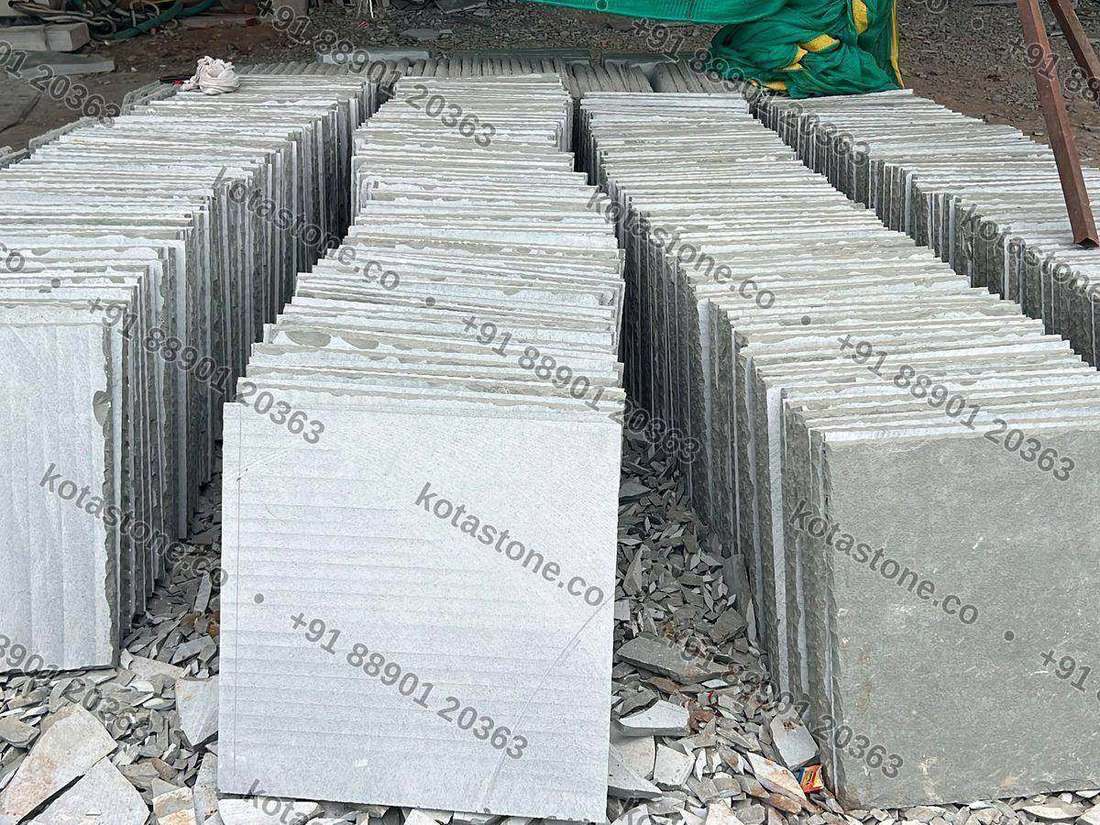
Grey Kota is the grade we hold in the widest range of finishes, and the finish changes the stone more than most people expect. These are our own yard photographs, not samples on a board.


- Natural keeps the grip and costs the least. Outdoors it is almost always the right answer.
- Diamond cut gives you square edges and a tight joint without paying for a polish you may not want.
- Table polish is the middle setting — a satin sheen off the polishing line, brighter than honed and a good deal less slippery than a mirror.
- Mirror polish is for dry interiors. It is the most striking and the least forgiving.
Hand-dressed
Rock-faced, chiselled by hand.
Sold as rock-faced, chiselled, textured or simply ghaṛai wala maal depending on who you are buying from — all the same thing. The face is dressed by hand with a chisel until it carries a pronounced three-dimensional relief, and the shadow that relief throws is the entire point of the finish.
On an elevation it changes through the day: sharp and graphic in the morning, flattening out at noon, dramatic again in the evening. No machined finish does that. It is the specification for boundary walls, plinths and feature elevations where a flat panel would read as dead.
Long formats
Bed-run slabs to 8.5 feet.
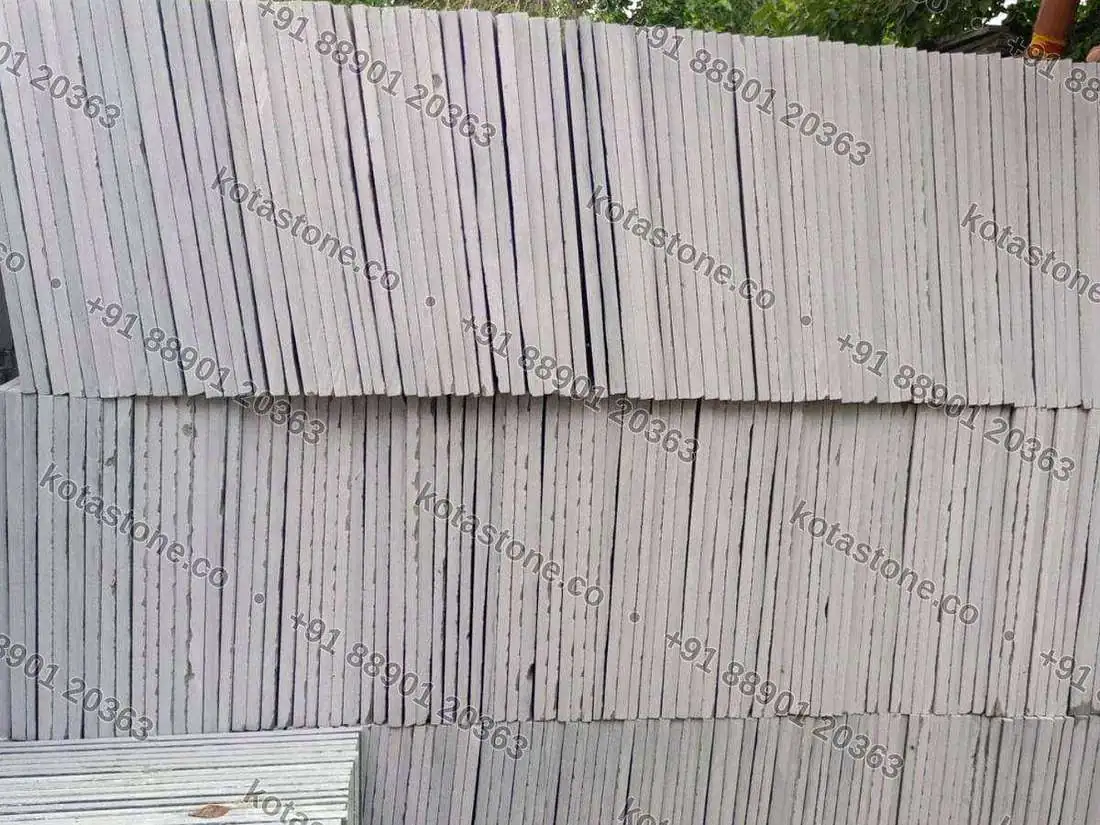
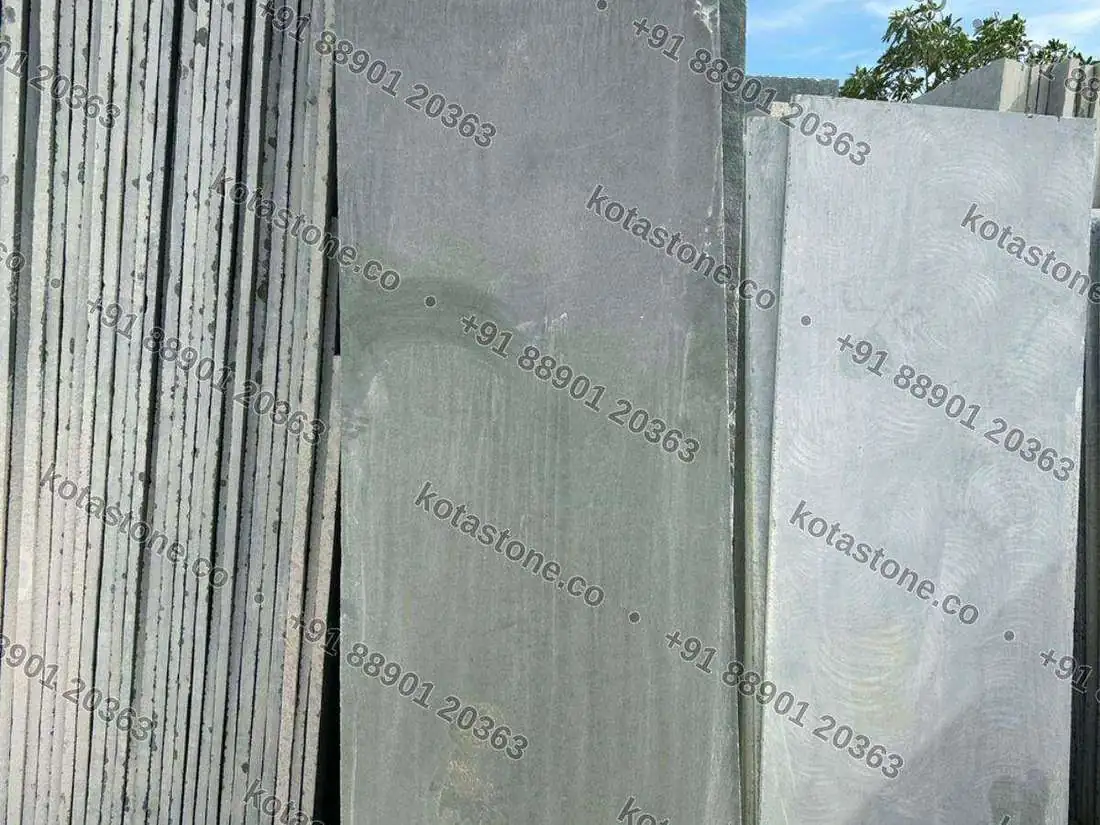
Alongside the cut squares we hold long bed-run slabs standing in the yard, marked by length and grade. The stock in these photographs runs 5.5, 6, 7, 7.5, 8 and 8.5 feet, all at 2 feet wide, all rough fresh grade — cut to length but not honed or polished.
Long slabs are what you want for bridging, benches, copings, full-piece treads and any floor where you would rather have fewer joints. They are heavy — an 8.5′ × 2′ piece at 40 mm is roughly 155–165 kg — so plan the handling before you specify them.


Also in this range